Redesigning Instagram ads to protect creator identity
Small businesses and creators weren't afraid of ads. They were afraid of what ads would do to their reputation. I designed a new ad model to address this fear.
Team
1 PD (consulting) • 1 SWE • 1 PM • 1 DS
Impact
Launched new Instagram ad model generating ~$450K daily revenue • Boost completion increased +8%
Overview
The boost flow had a 91% abandonment rate, users explored the flow, previewed their post as an ad, and left
The correct diagnosis wasn't "the flow is hard to use", it was: boosting a post asked users to alter their identity in public, and that felt like a cost they weren't willing to pay.
I led product strategy and end to end design for a new ad model, ad-only posts, that decoupled promotion from identity and created a new advertising category on Instagram.
My Role
The pivotal contribution was reframing the problem at the platform level, shifting the team's investment from optimizing a broken flow to building a new model entirely.
The Problem
Boosting posts had come with a hidden cost
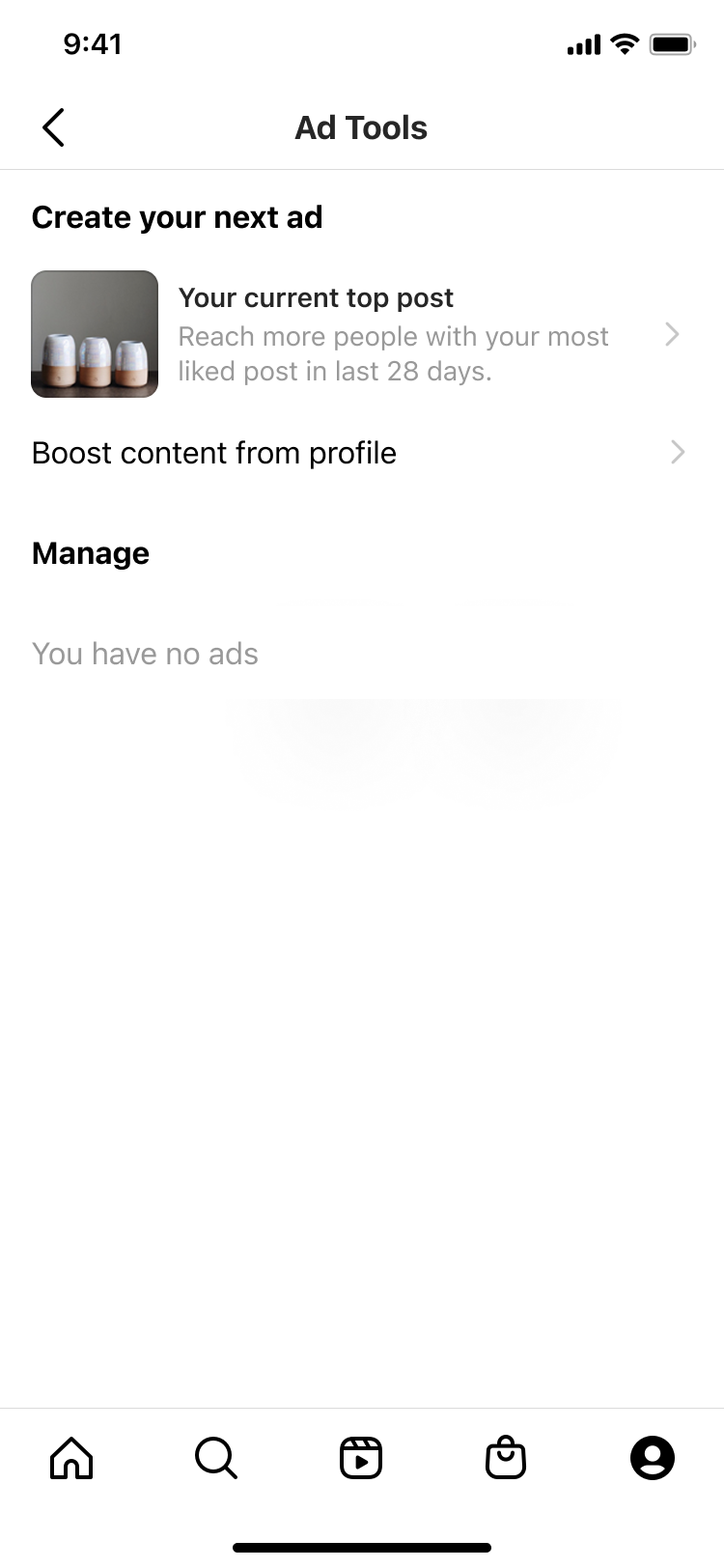
This wasn't a typical drop-off pattern. Three behavioral signals I identified through behavioral analysis and dogfooding pointed to something deeper:
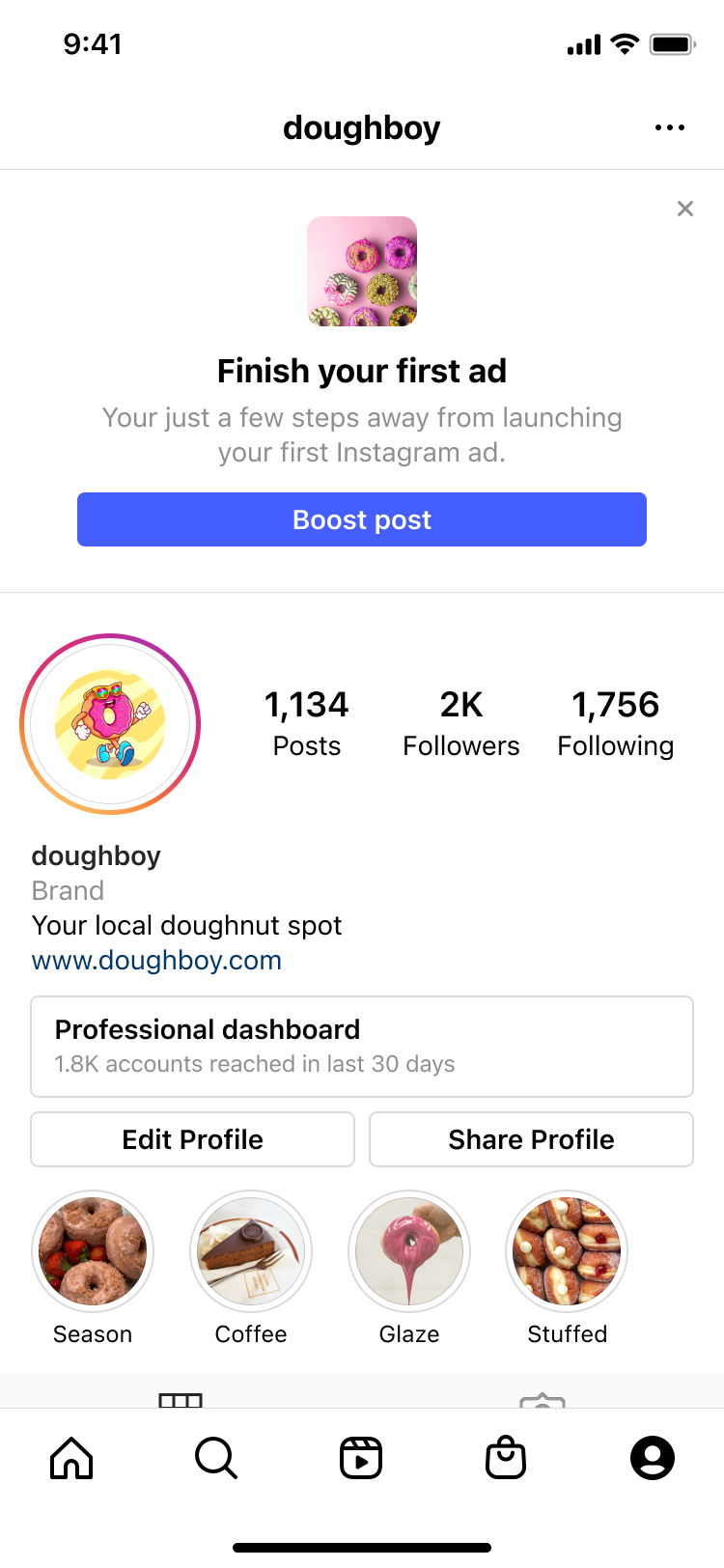
The pattern was consistent: users weren't confused about the flow, they were worried about what the ad would say about them.
The solution couldn't live inside the existing boost flow. It required rethinking how ads were created from the ground up.
The flow existed, users found it, but the majority abandoned before publishing.
Alternatives Explored
Before arriving at the right solution, I explored three directions, and ruled each out with a clear rationale.
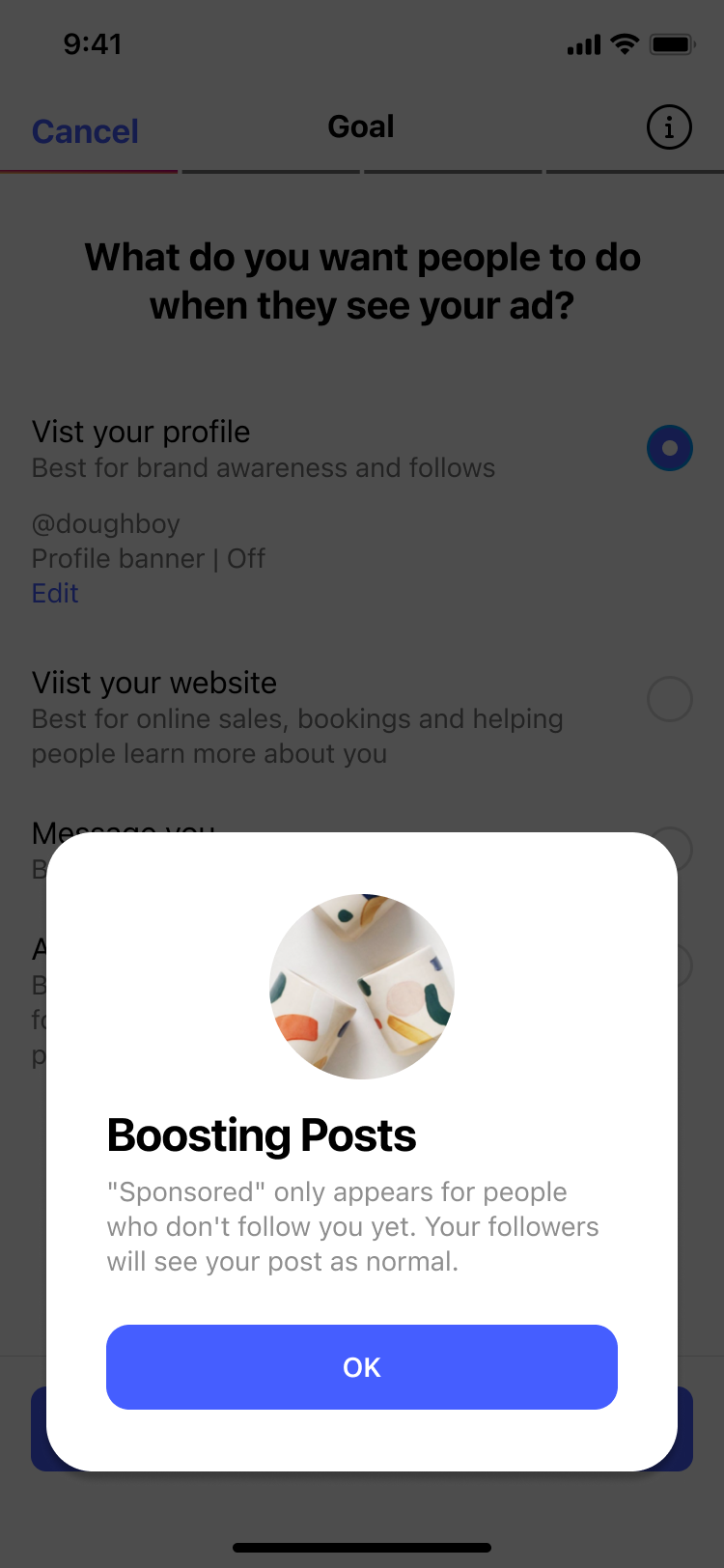
- + Reduced uncertainty
- - Introduced friction in a high-intent moment
- - Risked negatively impacting the Instagram boost ecosystem
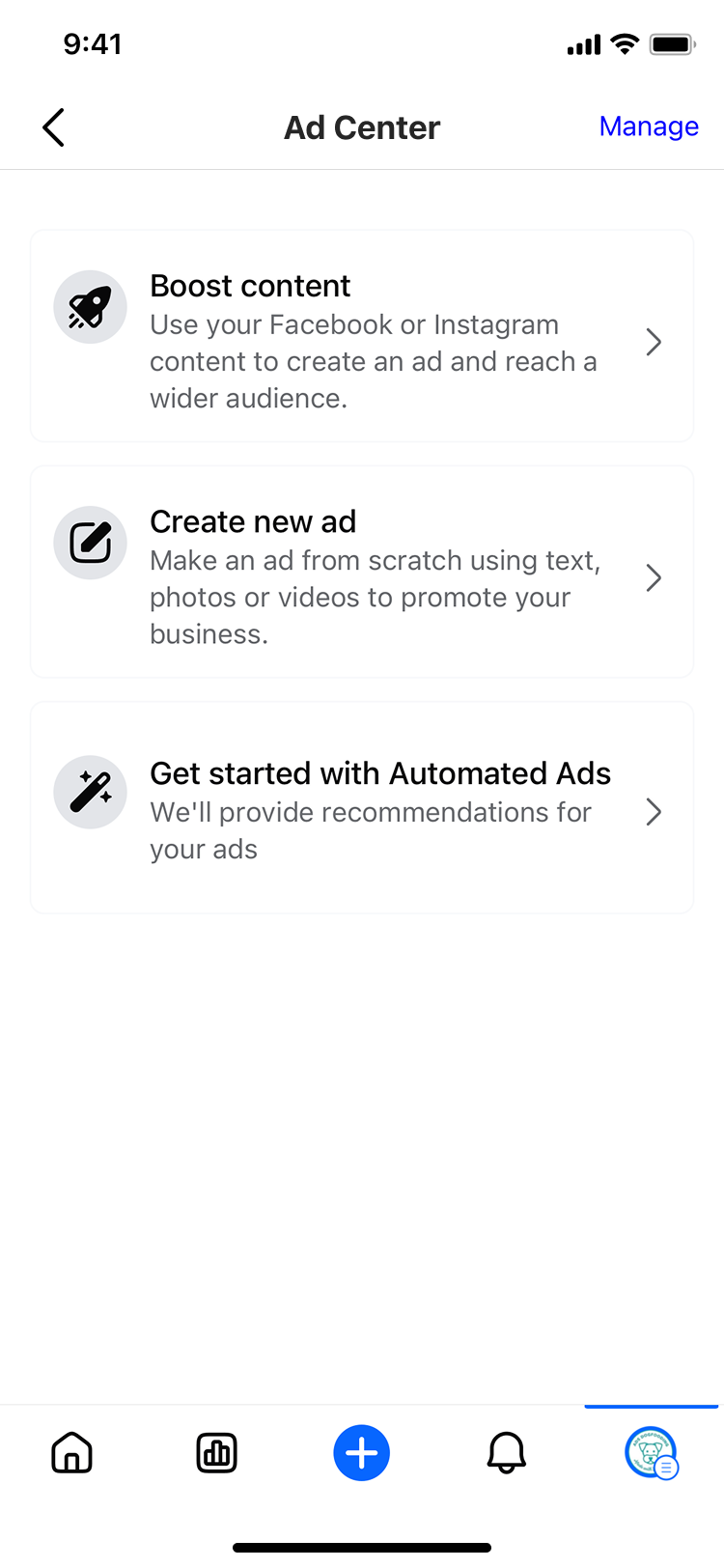
- + Clearer mental model
- - Increased complexity and learning curve
-
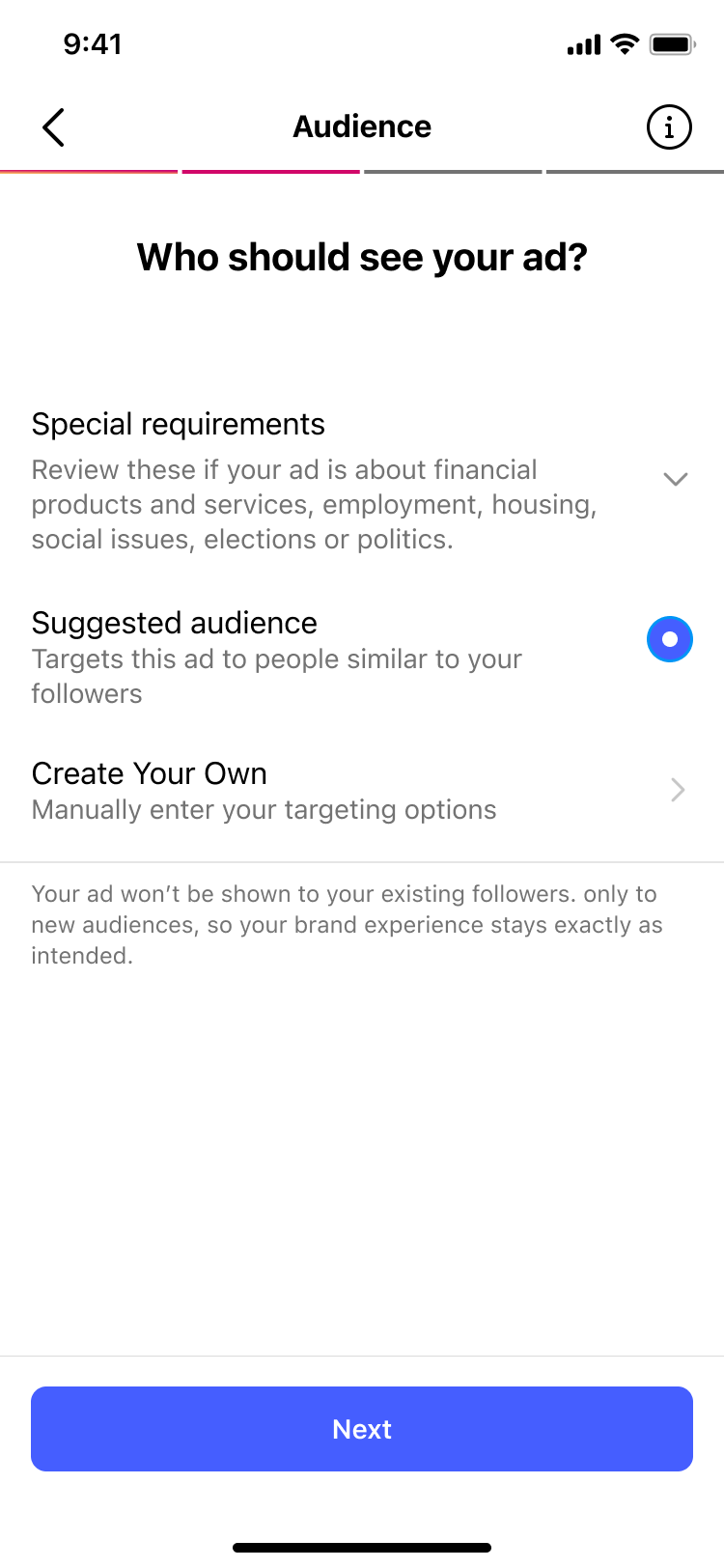
- + Increased transparency
- - Addressed only a narrow part of the journey
- - Did not impact core hesitation
Option one was too complex. The others didn't go deep enough. The solution had to change what ads are on Instagram, not just how they're set up.
The Insight
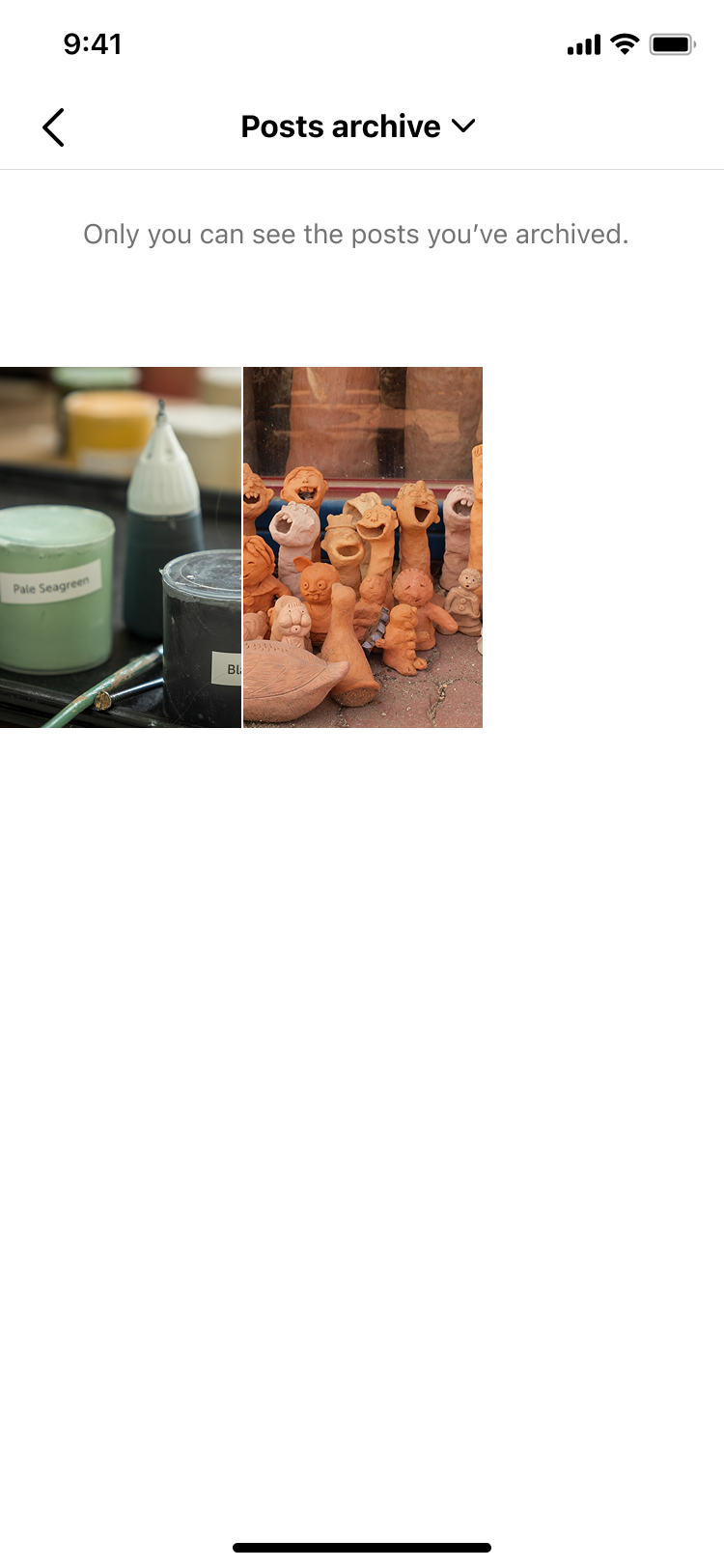
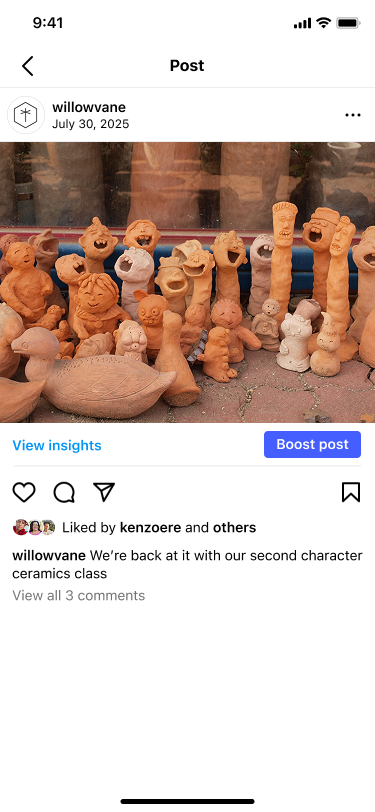
Answer already existed
The infrastructure existed, it just hadn't been framed as an ad product.
Instagram's archive feature already hid posts from public profiles.
Solution
Decoupling identity from promotion
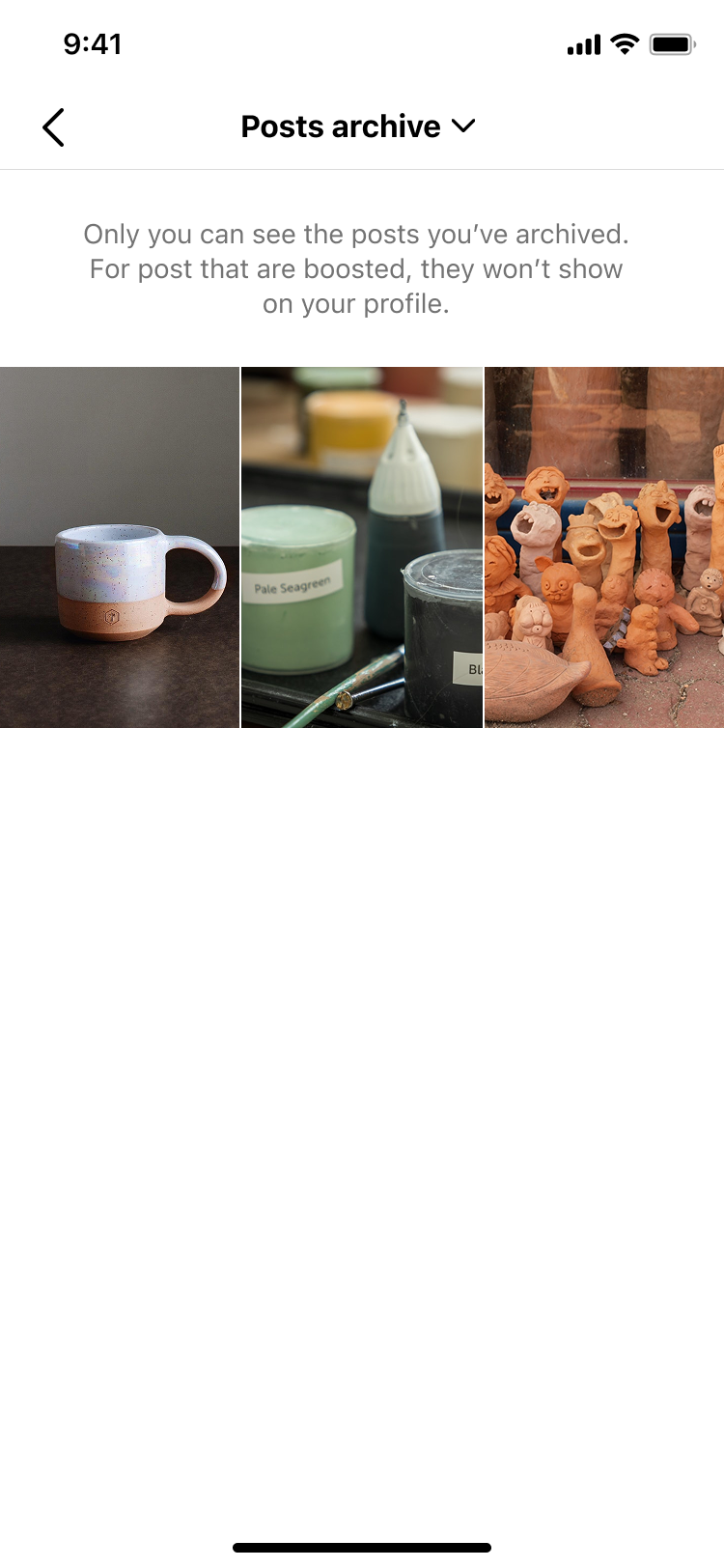
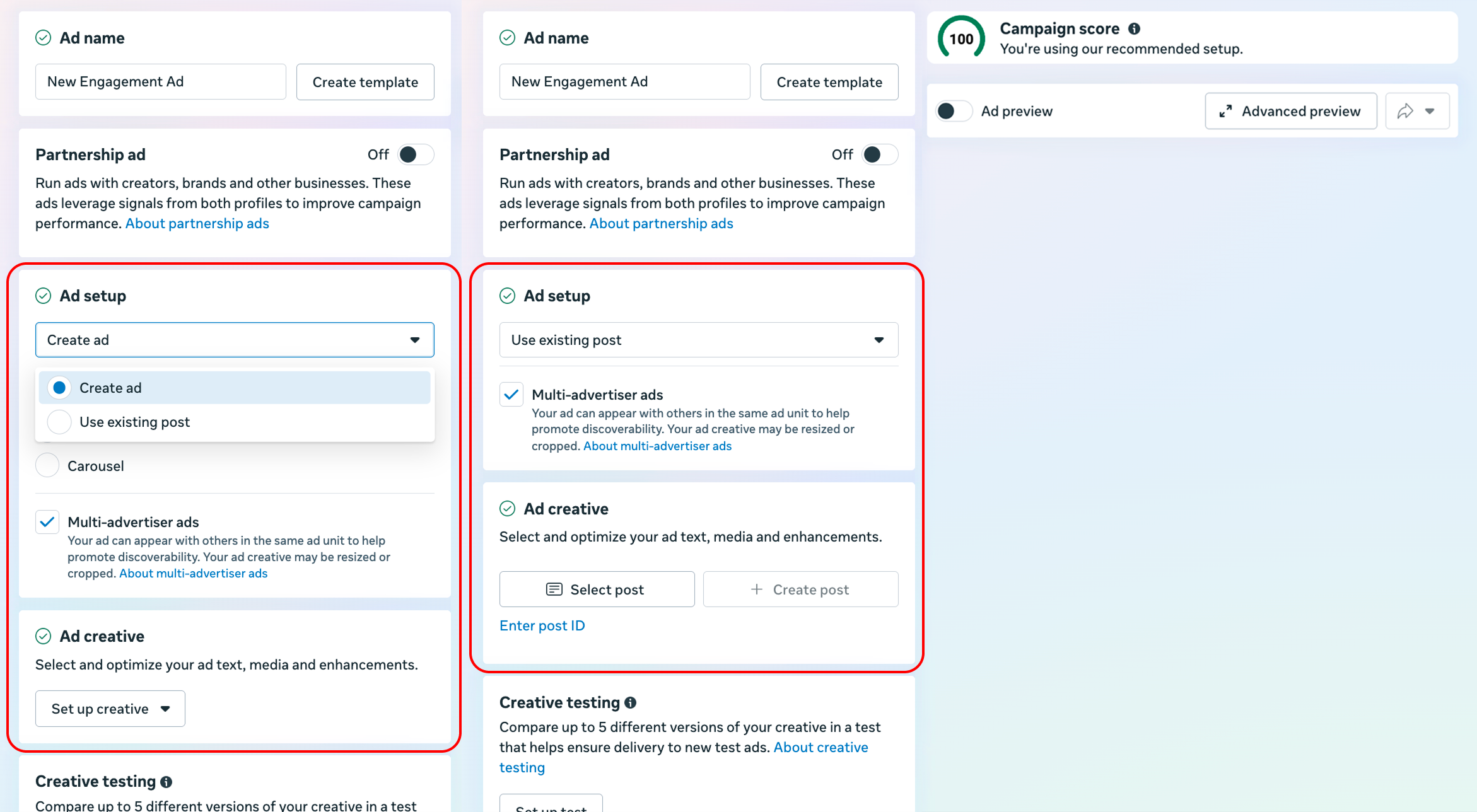
I introduced a new ad model: ad-only posts, content created specifically for advertising that is not tied to a user's public profile.
This fundamentally shifted Instagram ads from "promoting what you posted" to "creating content specifically for advertising."
Core principles
How it works
System Design
Absorbing complexity so users don't have to
Ad-only posts required redefining how content, identity, and ads interact across Instagram's systems.
I partnered with Engineering and Product on three interconnected changes, with a single constraint: the user-facing model had to stay simple.
Design principle:
Tradeoffs & Risks
Decisions made against pressure
Each tradeoff had a stakeholder pushing the other direction.
The Impact
- ~$450K in daily revenue generated in experiment
- 3.5x increase in upsell CVR (5% vs. ~1.5% baseline)
- Increased boost completion by 8% for first time advertisers
- New monetization pathway for Instagram
Reflection
What worked:
What I'd do differently:
Last note
How one project became another
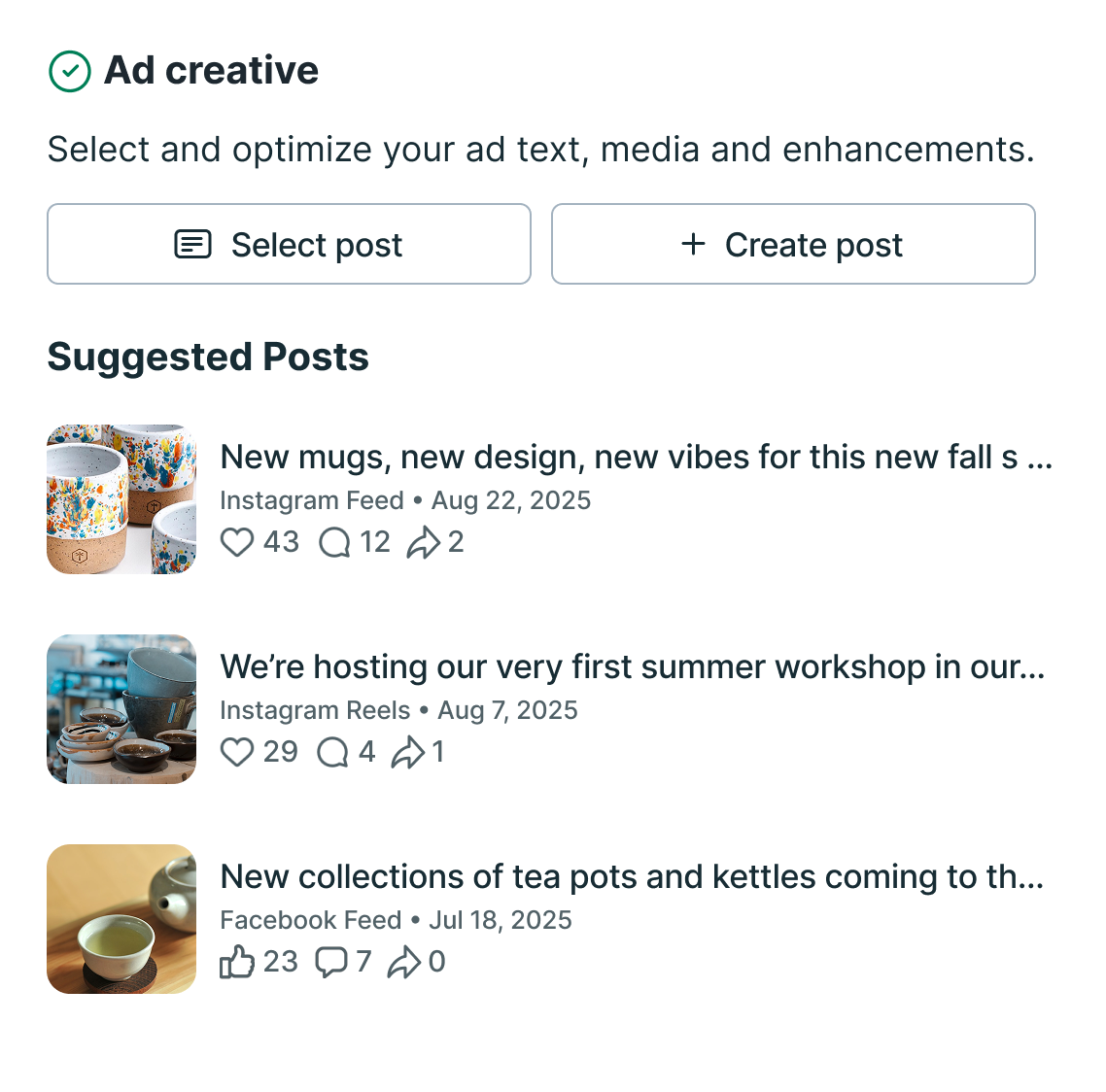
Previously shipping an ML-suggested posts experience on Ads Manager surfaced an unexpected behavioral pattern:
Even small businesses, the most resource constrained advertisers, predominantly created new ads.
Mapped across platforms, the gap was clear, Instagram had no equivalent creation experience.
That insight is what led me to pursue this project.